Beyond the Moodboard: The Rise of Collectible Interiors
Luxury interiors have never been more accessible. With an endless stream of curated images, global design trends now travel effortlessly across continents, shaping homes that often share the same materials, palettes, furniture, and visual language. While this exchange of ideas has expanded creative possibilities, it has also blurred the distinction between inspiration and imitation.
This has created an interesting paradox. Spaces can be highly resolved, expensive, and visually distinctive, yet still feel familiar. The challenge for contemporary design is therefore moving beyond creating something that looks different to creating something that is genuinely specific.
This is where the idea of the collectible interior becomes relevant.
Specificity Over Styling
A collectible space is not defined by the number of rare objects it contains. Its value lies in decisions that are difficult to separate from the project itself. This could mean a stone surface developed for a particular setting, a staircase shaped around the structural and spatial conditions of a building, or a piece of metalwork developed with an artisan rather than selected from a catalogue. These decisions create a relationship between the material, the architecture, and the people using the space. The distinction is important. Styling can be changed. Specificity is built into the design.

What Culture Adds to a Space
Cultural identity is often reduced to the use of recognisable motifs. But culture can influence design in much more fundamental ways.
Indian design, for instance, has never followed a single aesthetic. Its character comes from the coexistence of regional materials, craft traditions, rituals, building practices, colour, textiles, and ways of inhabiting space. A carved surface or handwoven textile has value not simply because it looks distinctive, but because it carries a particular way of making and a history of use relevant to its context.
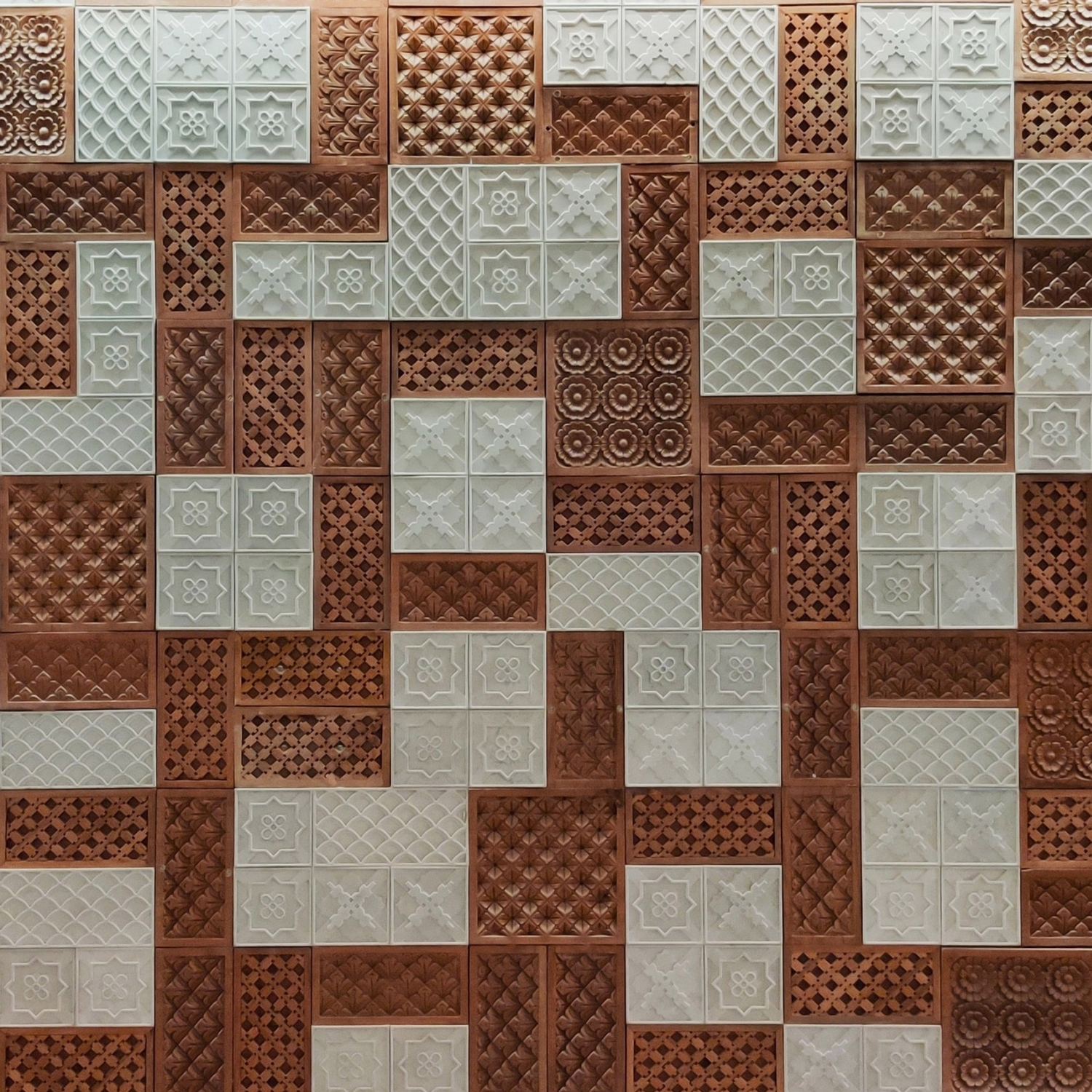
Contemporary design can draw from this knowledge without reproducing traditional forms. A hospitality space might work with a regional craft technique; a cultural centre might translate a local making tradition into its architecture; a public space might use indigenous materials and landscape practices to strengthen its connection to place. The result is an environment with a stronger sense of belonging.
When Craft Shapes the Design
Craft has greater impact when it is considered alongside planning, material selection, and detailing, rather than treated as a finishing layer. A stone inlay can influence the geometry of a floor; a hand-cast metal screen can determine how light and privacy are managed; a carved partition can become both a spatial divider and a focal element.
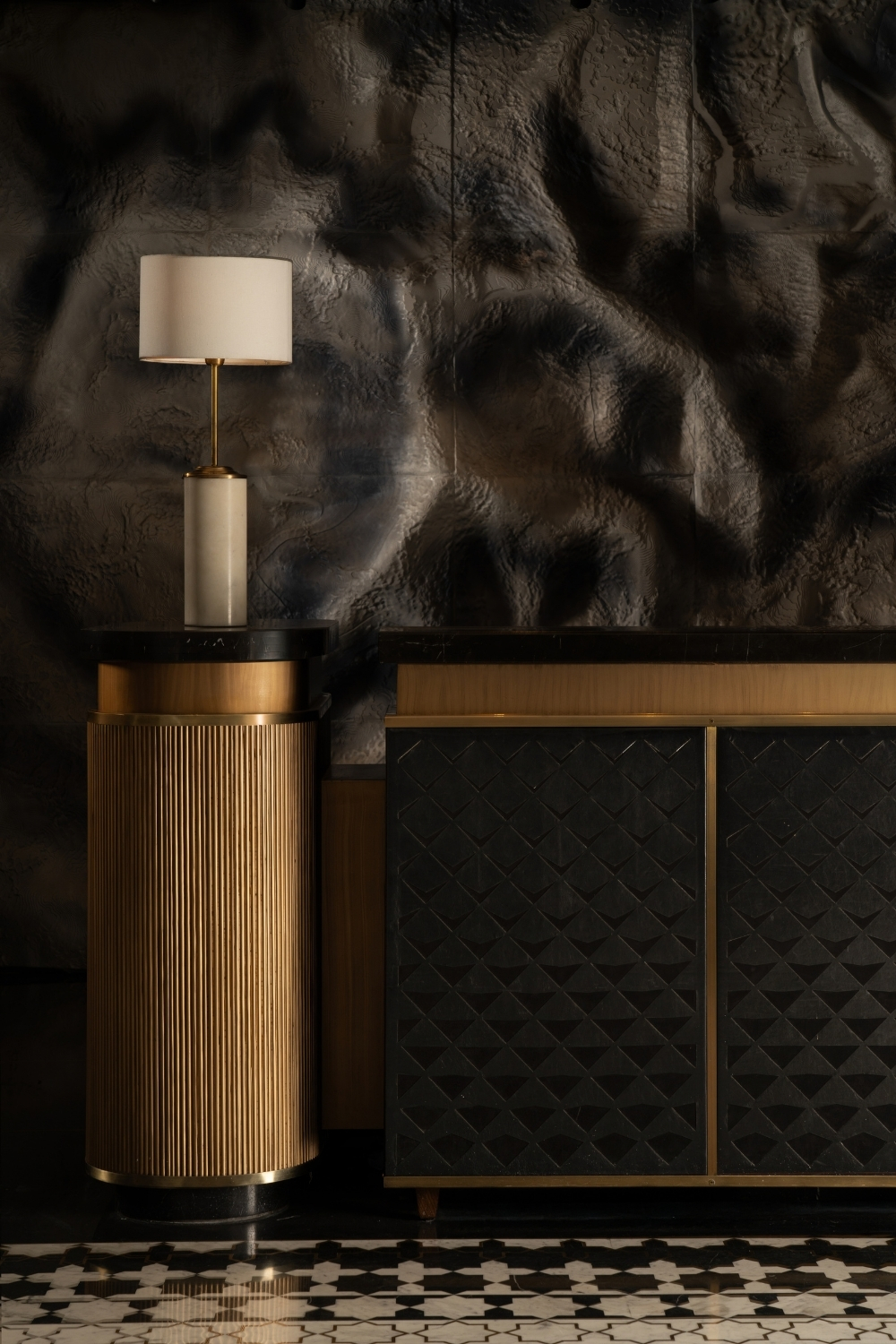
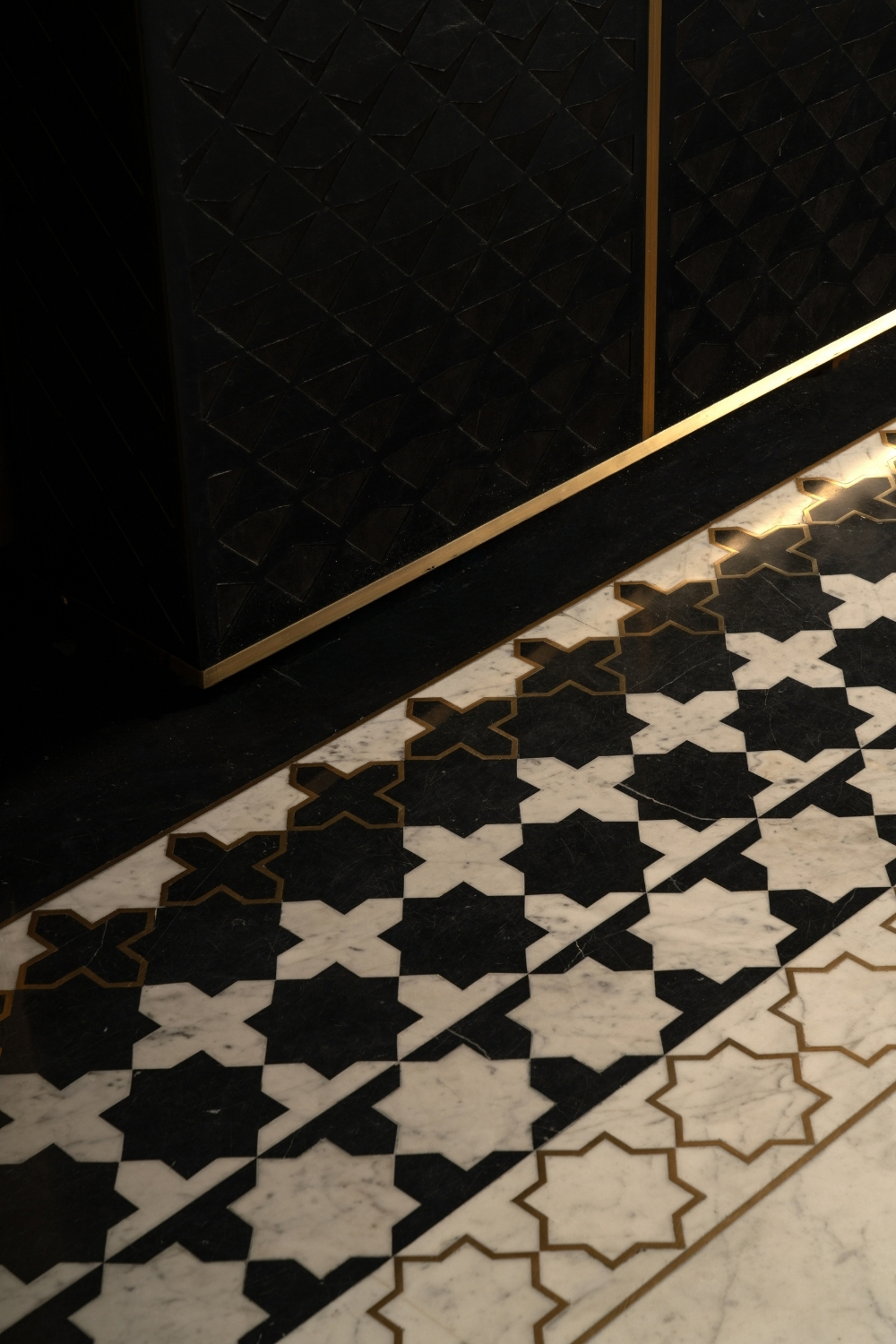
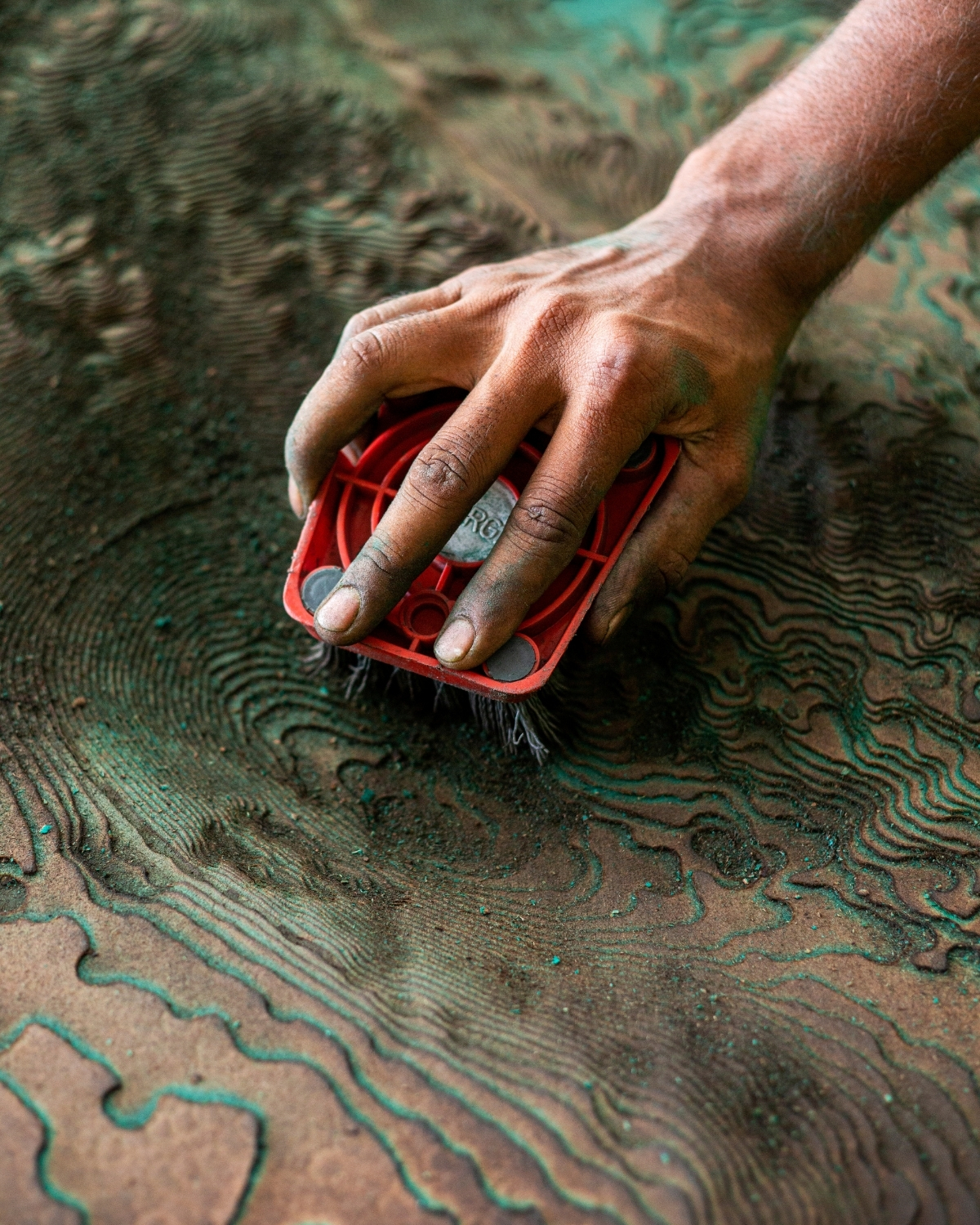
This approach also allows the technique itself to inform the outcome. The properties of a material, the tools available to a craftsperson, and the limitations of a particular process can lead to details that would not emerge from a standard catalogue or specification.
The result is not simply a bespoke object within an otherwise conventional interior. The craft becomes part of the architectural decision-making, giving the space a level of specificity that is difficult to reproduce
From Global Inspiration to Local Expression
This does not mean that contemporary spaces should reject global influences. Design has always evolved through exchange. The more important question is what happens after the reference arrives. Is it reproduced as seen, or interpreted through the context of the project?
The distinction matters across homes, hospitality spaces, cultural institutions, and public environments. A residence can reflect the habits and histories of its inhabitants. A hotel can translate the character of its location through material and craft. A cultural centre can make its history tangible through spatial experience. A public space can establish a stronger connection to place through landscape, material, and local knowledge.
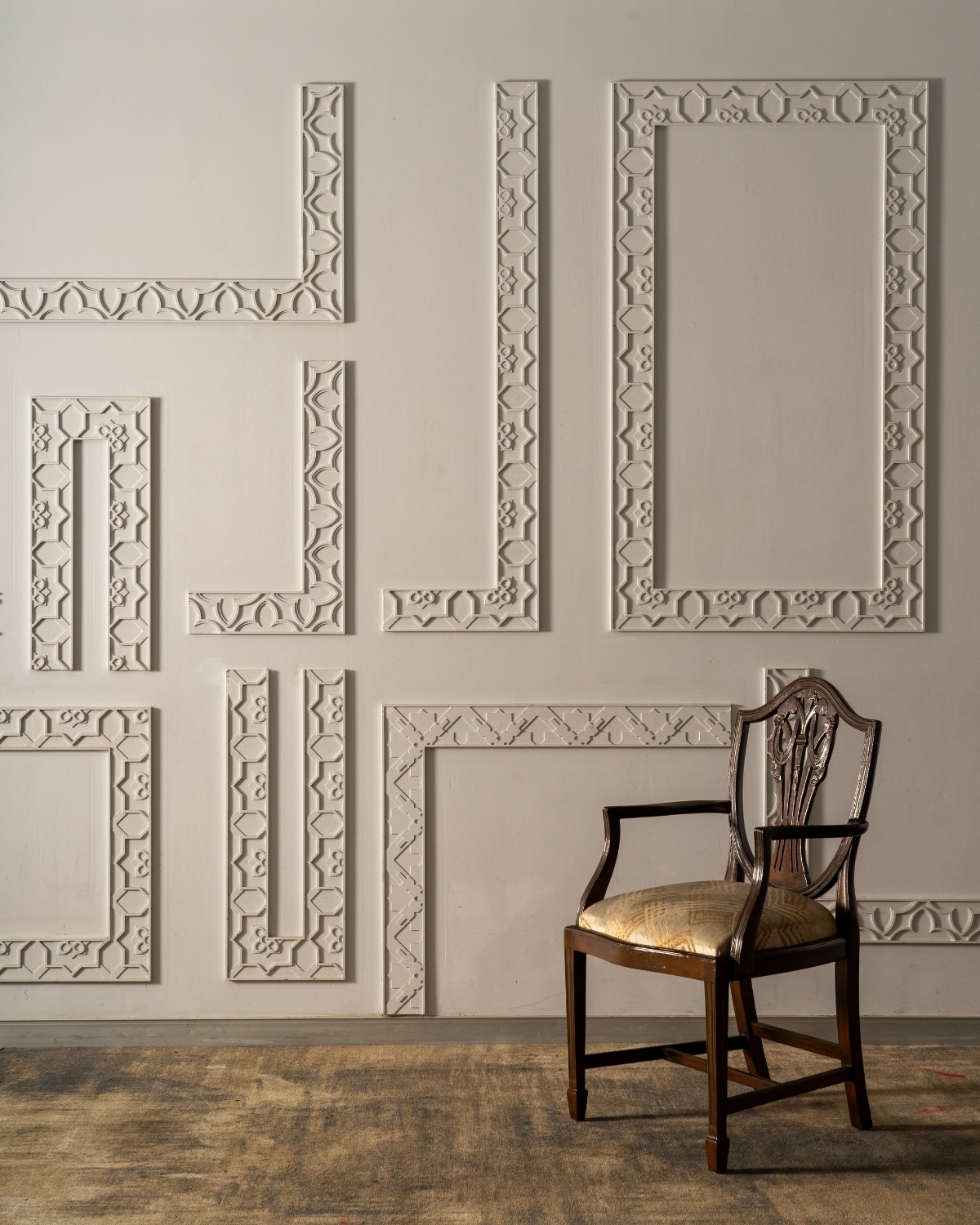
In each case, the design develops its own language. Perhaps this is the real shift in luxury: from acquiring recognisable things to creating meaningful ones. In a world where almost any aesthetic can be reproduced, the truly valuable space may be the one whose design, material language, and cultural identity could not have emerged in quite the same way anywhere else.