The Gap Between Green Labels and Real Building Performance
Sustainability in architecture today is often read through visible cues like certifications, glass façades, and high-efficiency systems. While these signals suggest environmental responsibility, they do not always translate into how a building performs in real climatic conditions. Particularly, in India’s intense heat and seasonal extremes, this disconnect is becoming increasingly apparent.
The Myth of the “Green” Glass Box
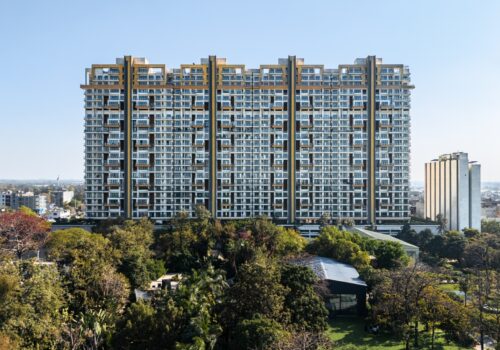
Much of contemporary “green” architecture still relies on high-gloss envelopes—large glazed façades paired with advanced HVAC systems and material specifications. However, when the foundational design decisions are weak, technology is often used to compensate rather than correct. A poorly oriented building, for instance, will continue to absorb excessive heat regardless of how advanced its glazing or cooling systems are. This creates a dependence on energy-intensive solutions rather than reducing the need for them.
A more effective approach begins much earlier in the process. Orientation, built form, and massing must respond directly to sun paths, wind movement, and site context. These generally determine long-term thermal performance.
Why Ratings Don’t Always Reflect Comfort
Certification systems provide useful benchmarks, but they often do not fully capture lived experience. A building can achieve a high sustainability rating and still feel uncomfortable during peak summer months. This disconnect arises when performance is measured in systems and compliance terms, rather than in human terms
Occupant comfort is shaped by factors that extend beyond mechanical efficiency, like daylight quality, air movement, surface heat, and spatial orientation, all of which play a role. When these are not prioritised early in design, buildings tend to rely heavily on artificial conditioning to maintain baseline comfort levels.
Closing the Gap Through Design Integration
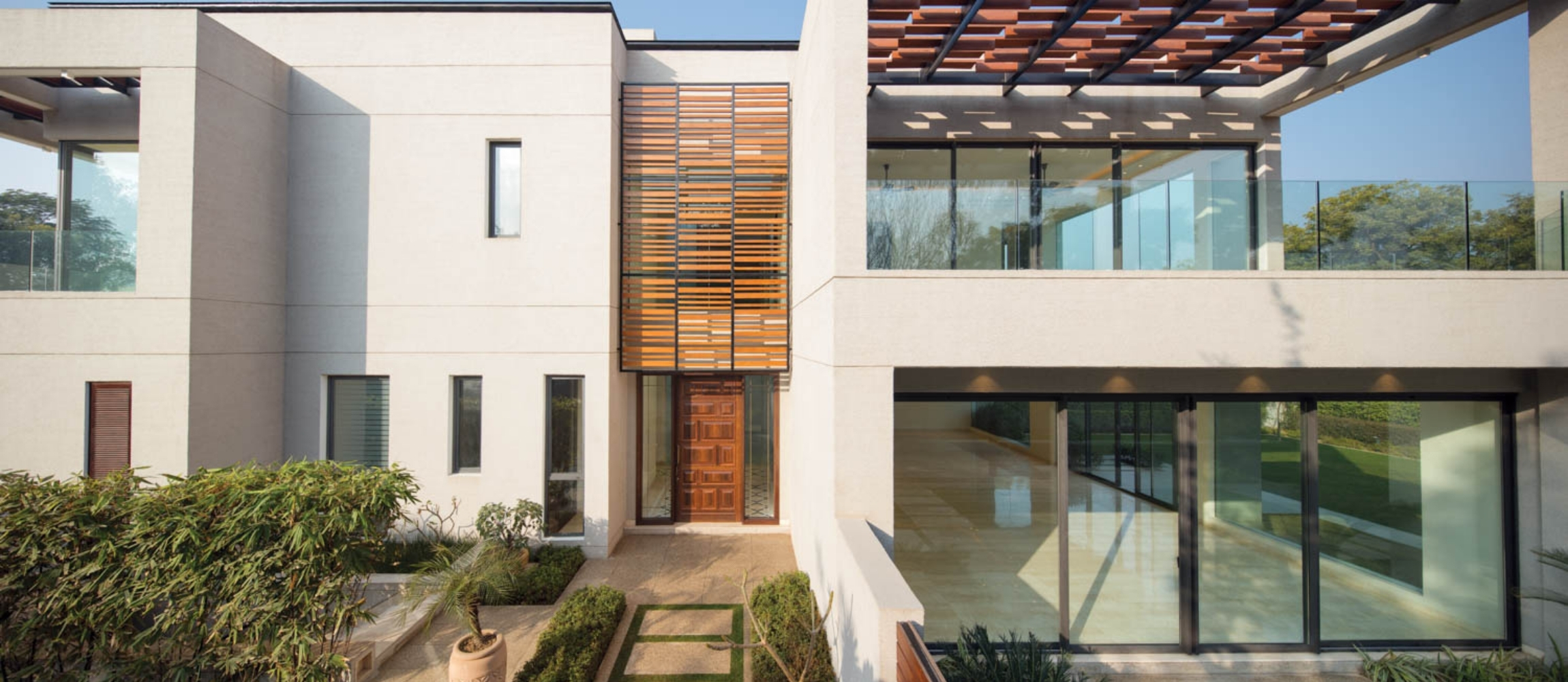
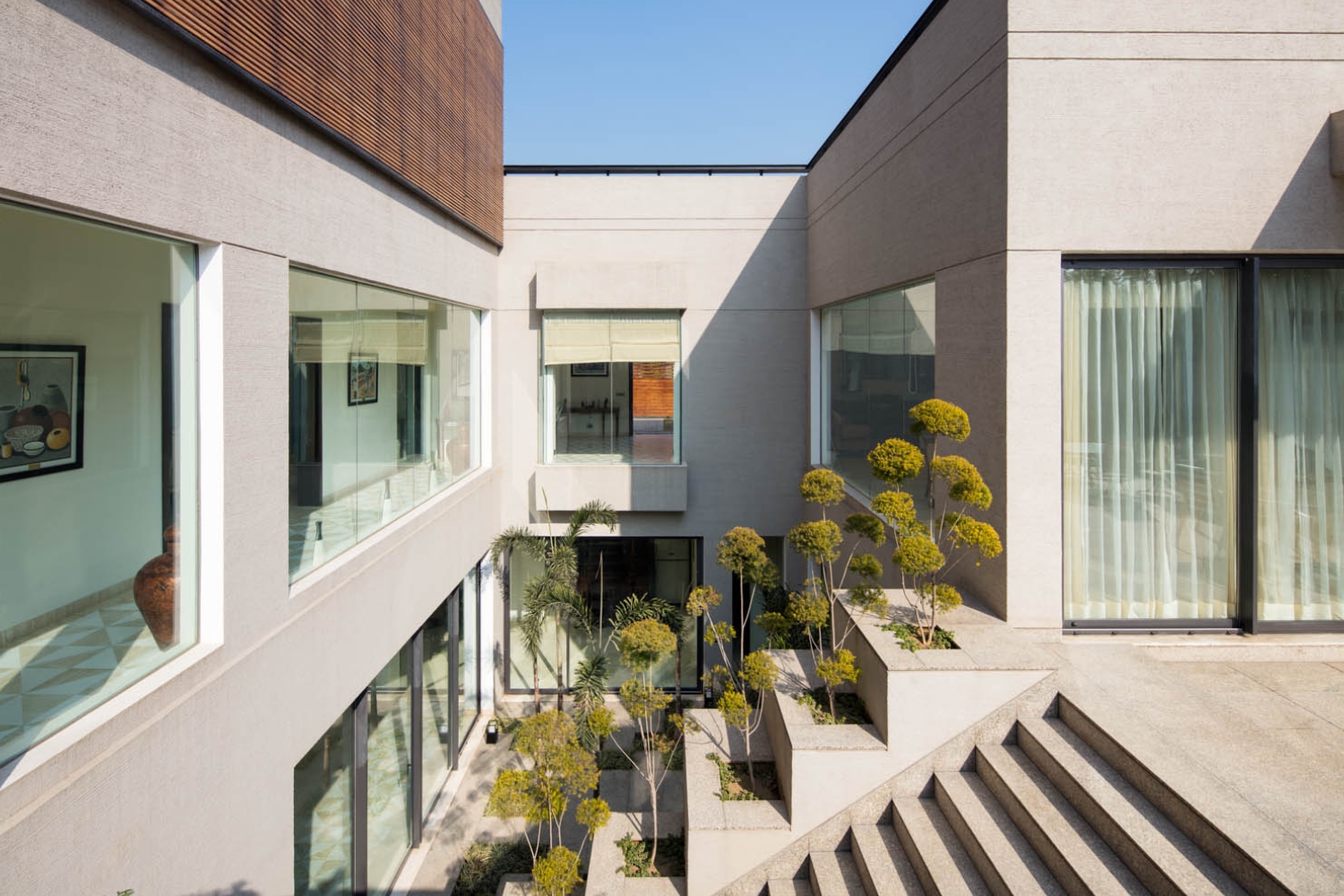
Bridging the gap between labels and performance requires a shift in focus from isolated systems to an integrated design thinking approach. Climate-responsive strategies, such as reducing direct solar exposure through form, enabling cross-ventilation through efficient spaial planning, and using shading as part of the architectural language, must be embedded from the outset rather than added later.
Material choices and façade systems also need contextual calibration. High-performance glass or advanced systems are effective only when supported by appropriate orientation and envelope design. Without this alignment, their potential is significantly reduced. Ultimately, moving from label-driven sustainability to performance-driven sustainability requires a shift in mindset. It is less about adding new technologies and more about aligning architecture with climate from the outset, so that efficiency is designed in, not compensated for later.